































Senegal will
be a sovereign
country by 2050
The words of the President of the Republic
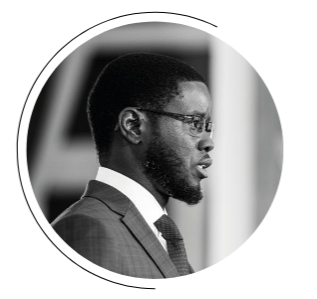

“With the framework presented and deployed, we must sustainably consolidate a nation of solidarity, resilience and resolutely anchored in modernity, progress and the well-being of every Senegalese man and woman.”
His Excellency Bassirou Diomaye Diakhar FAYE
President of the Republic of Senegal
Excerpt from speech of October 14, 2024
To initiate a sustainable structural transformation of the Senegalese economy, the Senegal 2050 Vision relies on four strategic drivers of growth with strong potential. These pillars aim to stimulate the creation of local added value, strengthen economic sovereignty, create a large number of decent jobs, and ensure inclusive and balanced growth across the entire national territory. They form the foundation of the new development model, based on industrialization, innovation, upgrading of production sectors, and the development of high value-added services.
1- The Agri-food Industries:
local cereal, peanut and oilseed, horticulture and non-timber forest products, livestock products, fisheries products including aquaculture, cotton and salt sectors;
2 - Extractive Industries
hydrocarbons and petrochemicals, phosphates and fertilizers, construction materials, iron and metallurgy sectors;
3 - Manufacturing Industries:
pharmaceutical industry, leather, textiles and clothing, assembly, particularly for household appliances and agricultural machinery, waste recycling, mechanical manufacturing sectors;
4 - High value-added services
tourism, cultural and creative industries, digital technology.

The key figures
Senegal 2023
Population
Population Millions of inhabitants
18
35
gross national income per capita
in constant 2015 USD (Atlas Method)
1 660
> 4 800
HDI
Human Development Index
169e/192
Top 100
Poverty rate
(2021/2022)
37,5 %
10 %
Weight of economic centers outside Dakar in GDP
53 %
71 %
Population
Population Millions of inhabitants
Senegal 2023
18
35
gross national income per capita
in constant 2015 USD (Atlas Method)
Senegal 2023
1 660
> 4 800
HDI
Human Development Index
Senegal 2023
169e/192
Top 100
Poverty rate
(2021/2022)
Senegal 2023
37,5 %
10 %
Weight of economic centers outside Dakar in GDP
Senegal 2023
53 %
71 %
The 4 strategic axes
Discover the projects and reforms that are shaping the future of the country.
Build a modern, diversified and inclusive economy that creates quality jobs and generates wealth for all Senegalese.
Specific Objectives
- • Build a high-performing, sustainable and competitive agri-food sector, driving the economic and social transformation of the country
- • Make extractive industries the catalyst for industrial Senegal
- • Build a competitive manufacturing industrial platform
- • Develop world-class, high-value-added services
- • Establish a sustainable macroeconomic framework
- • Develop domestic financing, microfinance and innovative financing
- • Build an attractive business environment for the domestic private sector and foreign investment
- • Build a dynamic research and innovation (R&I) system
- • Accelerate the digital transformation of the economy
Develop quality human capital to support the economic and social development of Senegal.

Specific Objectives
- • Ensure a quality education and vocational and technical training system
- • Mobilize the diaspora around the National Transformation Agenda
- • Establish a high-performing healthcare system that is accessible to all
- • Build an inclusive and efficient social protection system
- • Strengthen access to basic social services
- • Implement an effective employment policy
- • Promote sports activity
- • Strengthen the vitality of Senegalese culture
Ensure harmonious and sustainable territorial development.
Specific Objectives
- • Accelerate sustainable land-use planning and controlled urbanization
- • Promote sustainable management of natural resources
- • Build climate resilience for a sustainable and equitable economy
- • Promote sustainable modes of production and consumption
- • Develop connectivity infrastructures
- • Support the social and solidarity economy
Strengthen governance and promote African integration.
Specific Objectives
- • Strengthen the rule of law and the protection of citizens
- • Reform national institutions
- • Strengthen Law and Order, Citizenship and Decentralization
- • Strengthen Civic Engagement, Convergence and National Cohesion
- • Strengthen national security
- • Drive the reforms and projects necessary for African influence and integration
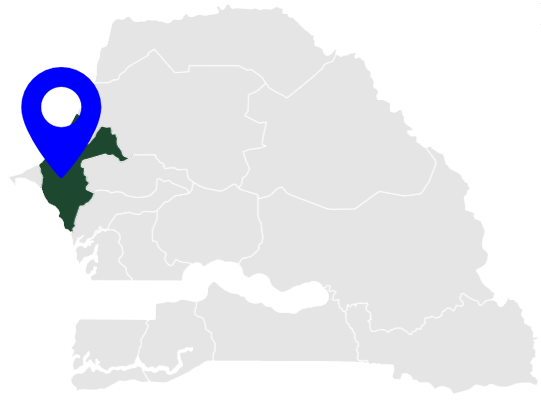
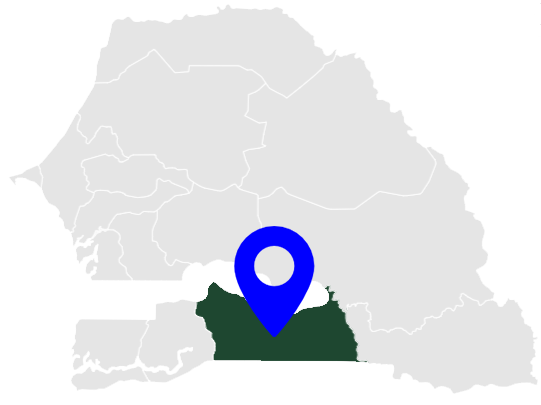
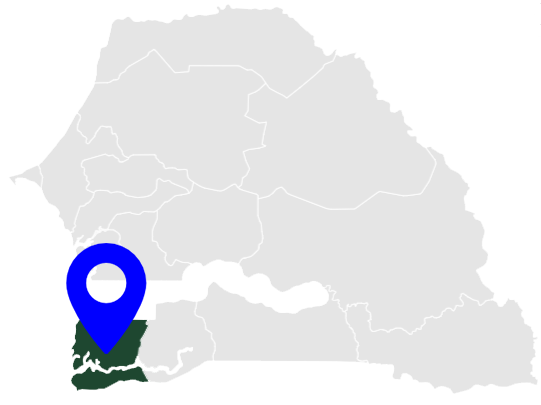
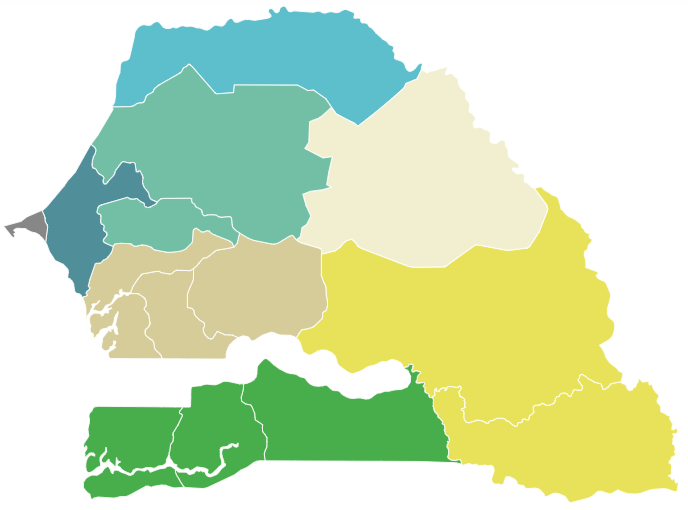
Economic map of Senegal in 2050
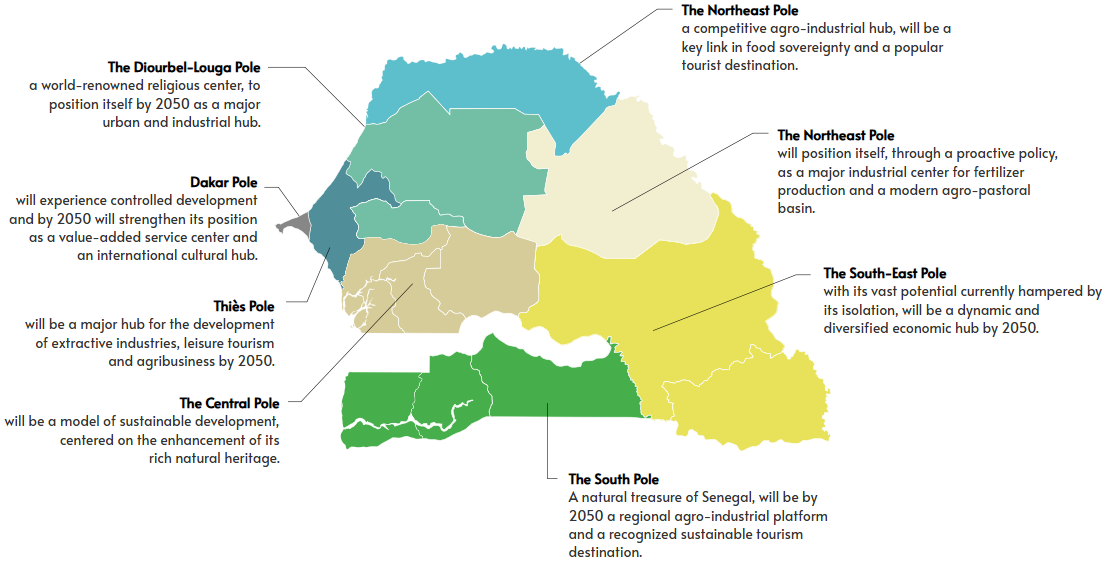

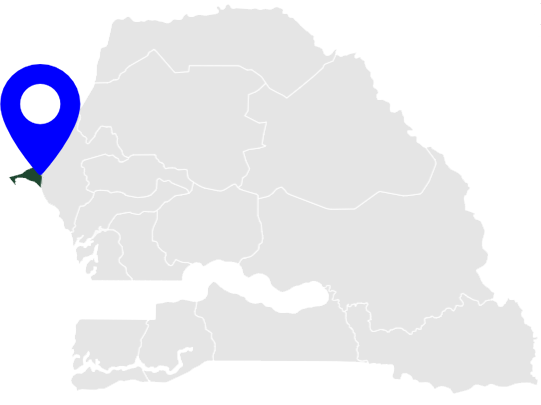
The Diourbel-Louga Pole
A world-renowned religious center, to position itself by 2050 as a major urban and industrial hub.
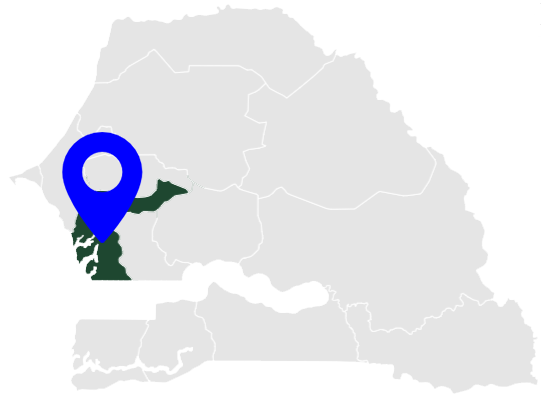
Dakar Pole
Will experience controlled development and by 2050 will strengthen its position as a value-added service center and an international cultural hub.
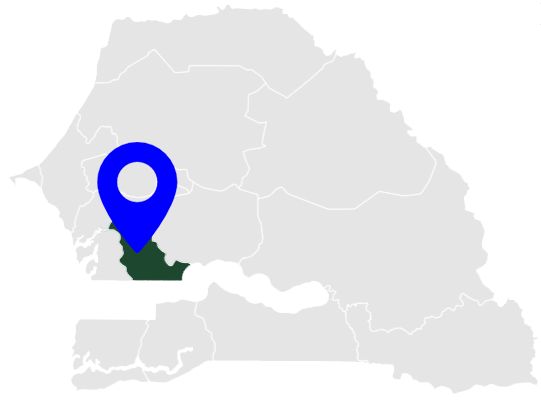
Thiès Pole
Will be a major hub for the development of extractive industries, leisure tourism and agribusiness by 2050.
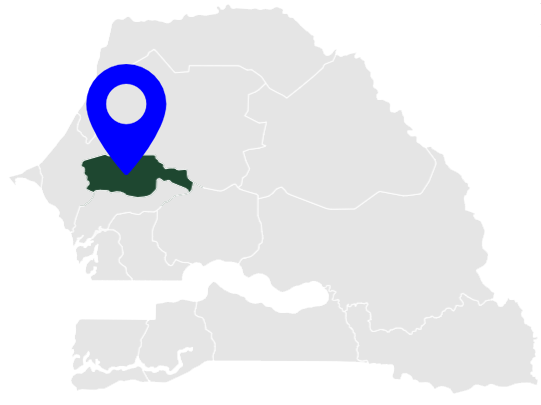
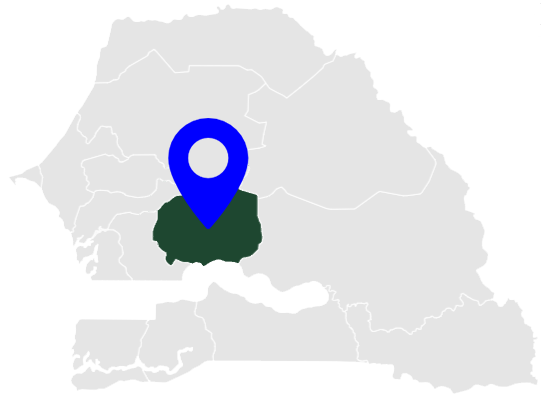
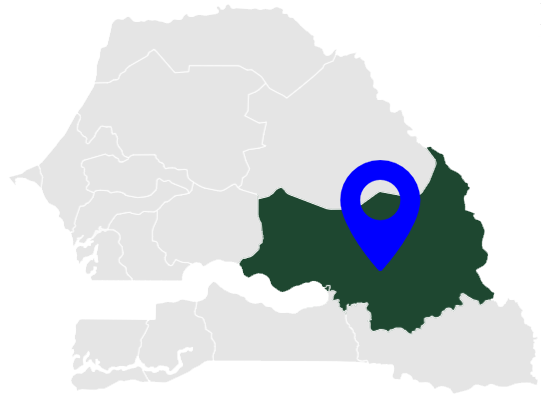
The Central Pole
Will be a model of sustainable development, centered on the enhancement of its rich natural heritage.
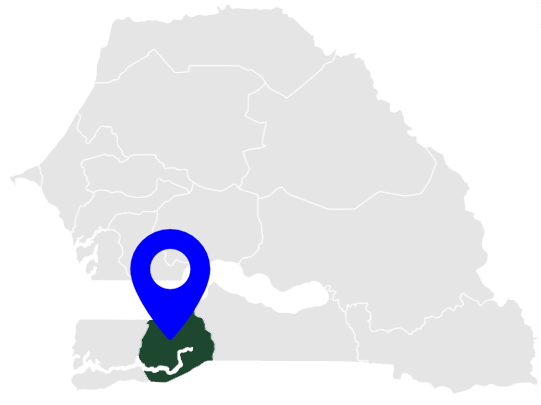
The South Pole
A natural treasure of Senegal, will be by 2050 a regional agro-industrial platform and a recognized sustainable tourism destination.
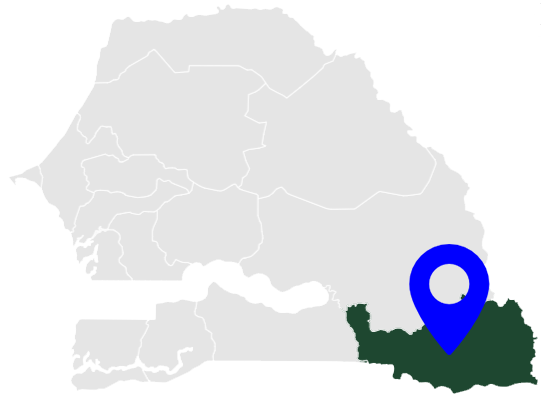
The South-East Pole
With its vast potential currently hampered by its isolation, will be a dynamic and diversified economic hub by 2050.
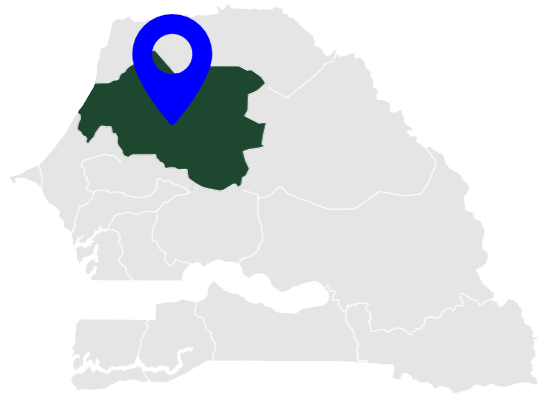
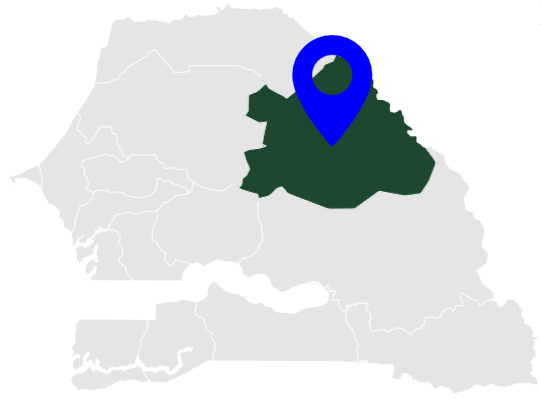
The Northeast Pole
Will position itself, through a proactive policy, as a major industrial center for fertilizer production and a modern agro-pastoral basin.
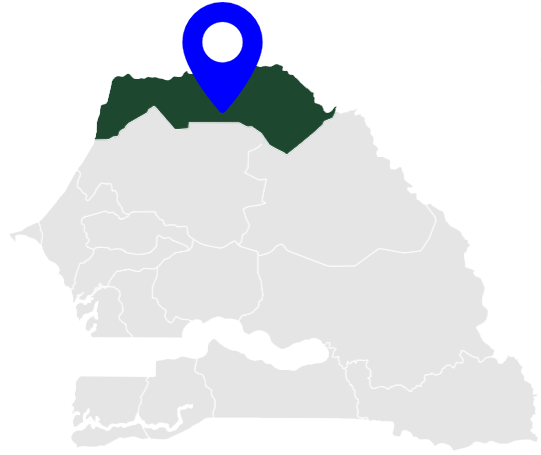
The Northeast Pole
A competitive agro-industrial hub, will be a key link in food sovereignty and a popular tourist destination.

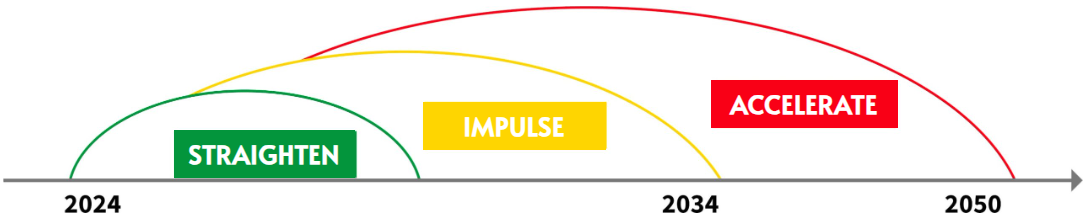
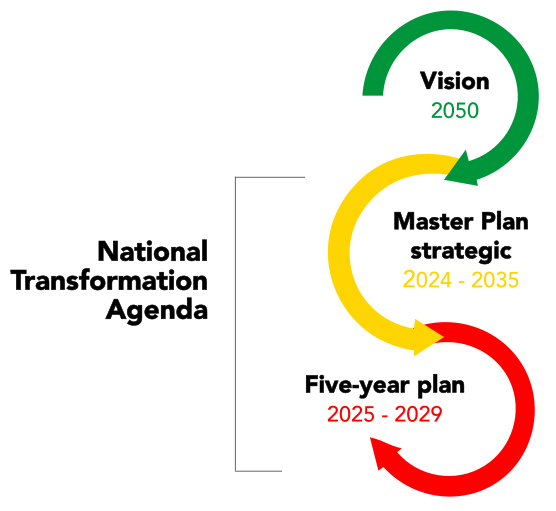
The planning of the National Transformation Agenda will be structured around three (3) temporalities: Restore, Catalyze, and Accelerate
Within the “Restore” temporality will be found the essential measures required to create the prerequisite conditions for genuine transformation, whether they involve reforms preceding future actions (examples: reform of institutions to ensure the independence of the judiciary, deconcentration, decentralization, stabilization of the macroeconomic framework, land reforms, expansion of protected areas to 30% of terrestrial, maritime, and wetland areas) or technical reforms that prepare the ground for the development of other services (for example: unique digital identifiers for natural persons, legal entities, and assets, which will enable the effective deployment of digital services).
The reforms, projects, and investments in the “Restore” category will serve to move the country from an old model to a new one, as a prerequisite for Catalyzing and Accelerating. These reforms will constitute one of the priorities of the first five-year term.
The measures in the “Catalyze” category are also a priority, as they form the foundations of projects capable of accelerating transformation. Like the foundations of a house or the roots of a baobab tree, nothing sustainable can be built without these catalytic levers. However, because these involve infrastructure projects or reforms whose implementation may take several years (logistics corridors, energy transition, reform of the dual vocational training system, reform of the public health system), these actions will be scheduled over a period of ten (10) years, and their implementation will take into account the gradual capacity to mobilize the required financial resources.
The measures in the “Accelerate” category will only be able to reach their full potential once the actions in the “Restore” and “Catalyze” categories have been implemented, as they will build upon their achievements. Thus, economic hubs will require that actions related to the energy transition, logistics corridors, reform of vocational training, land reform, and strengthening the capacities of local governments have borne fruit in order for the hub strategy to be fully deployed.
Create lasting commitment to the Vision
- Sharing the vision
- Mobilizing citizens
- Laying the groundwork for mobilization
- Showcasing initial results
- Implement all the levers for initiating the transformation
- Continue the implementation of sector-specific strategies
- Accelerated development of sectors and regional hubs
- Increasing visibility of Senegal by 2050
SOME AVAILABLE RESOURCES
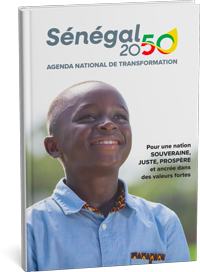
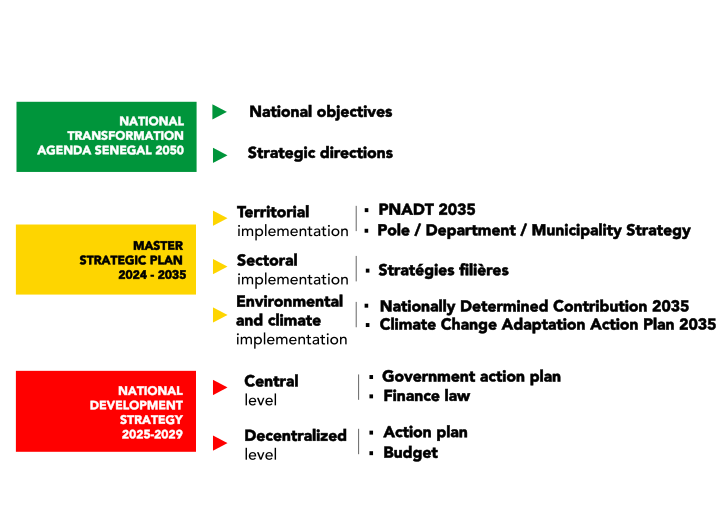
Vision 2050
National objectives
Strategic guidelines
Strategic Master Plan 2024-2035
Territorial breakdown
Sector breakdown
Environmental/climate breakdown
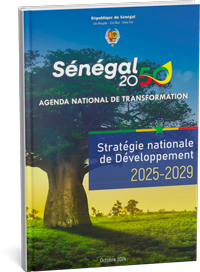
Five-Year Plan 2025-2029
Central-level planning
Decentralized-level planning
General Policy Statement
By Mr. Ousmane SONKO,
Prime Minister